The Wylde Swan is the best-known tall ship in the fleet and is suited to all ages. Anyone can come on board, from families with children to elderly sailors, fathers with sons, mothers with daughters, friends for life or budding relationships.
The one thing all our guests have in common is the wish for a special voyage. They want to enjoy outdoor life, the sea, and the countries we visit. Whoever sails with the Wylde Swan also learns about those aboard, the crew and the guests. Sometimes photos are shared at the end of a voyage. Sometimes friends for life are made.
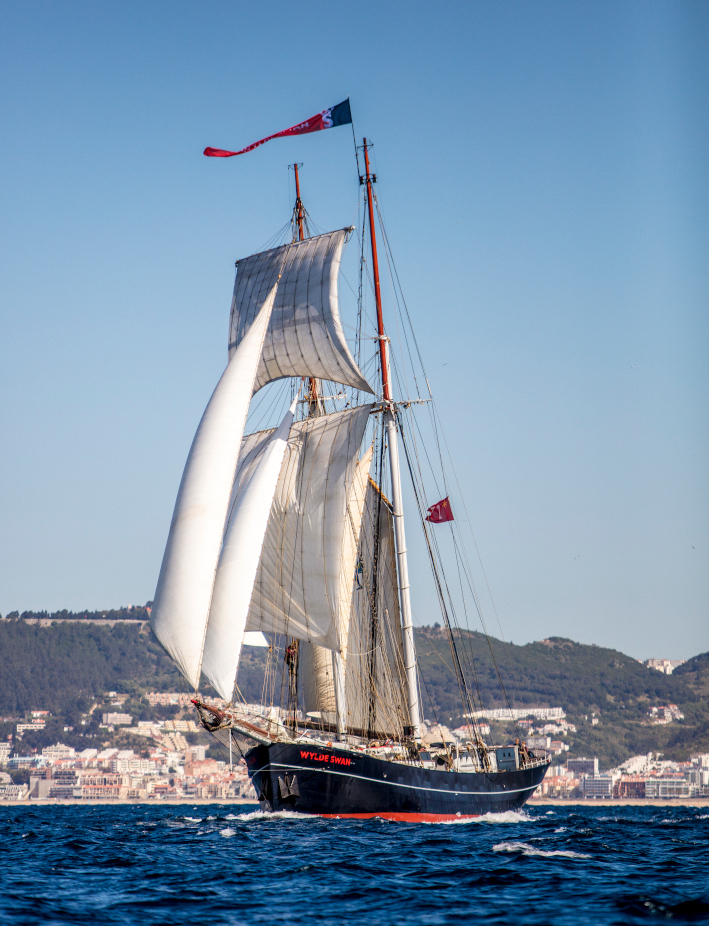
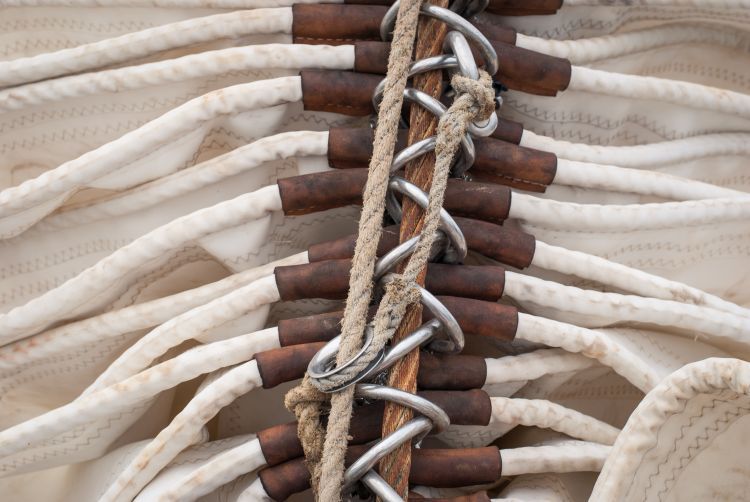
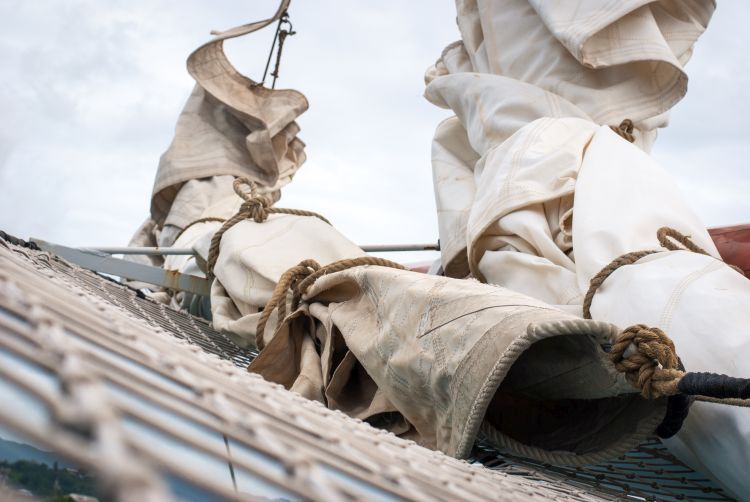
The word ‘schooner’ comes from the verb ‘to scon’, meaning ‘to send over water.’ Schooners have anything between two and six masts, and on a 2-mast schooner, the foremast is smaller than the aft mast. Topsail means that there are one or two square sails on the foremast. A square sail is set from a yard, two round spars horizontal to the mast resulting in a square sail.
The Wylde Swan is licensed to sail worldwide and can sail wherever required.
From June to October, the Wylde Swan sails in European waters on voyages with individuals or businesses, or offering corporate hospitality or leadership training trips.
From October to June, the Wylde Swan sails in and around the Caribbean with the Masterskip programme for secondary school pupils.
Our crew’s passion is to provide a challenging and hospitable environment for our guests. The Wylde Swan crew are well-trained professional sailors with some of the crew being volunteers. During the Masterskip voyages, four fully qualified secondary school teachers join the crew.
1
Captain
1/2
Mate
1
Engineer
1
Bosun
1
Cook
1
Interior manager
1
Mate
1
Mate
1
Mate
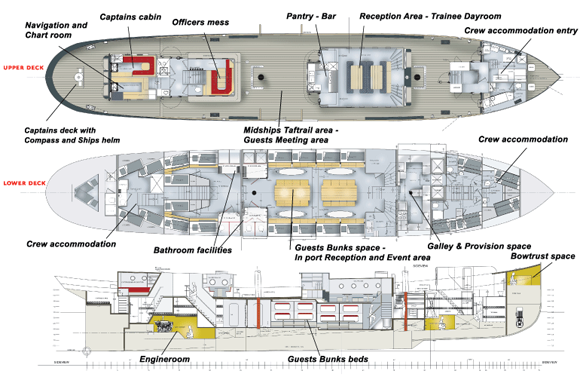
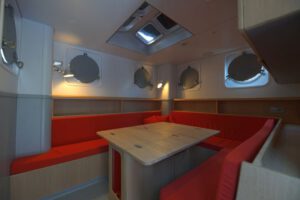
The first thing you notice is that most of the private bunks for our guests are located in the ship’s huge belly, what we call the Main Hold. Living together on board is a fantastic experience whatever your age. It means that the one of the most important parts of the sea voyage, the group process, can develop, and for leadership voyages the set-up is ideal. It gives the team a chance to develop very quickly – hiding in your hotel room is simply not an option.
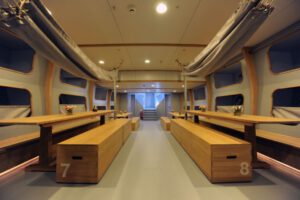
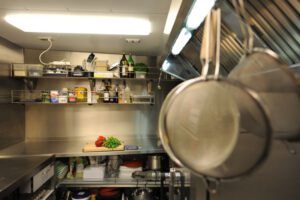
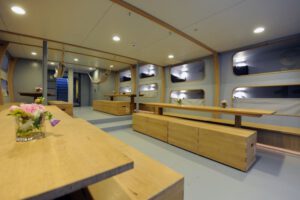
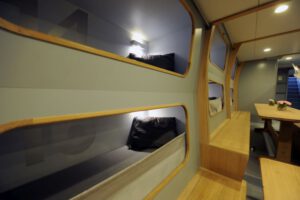
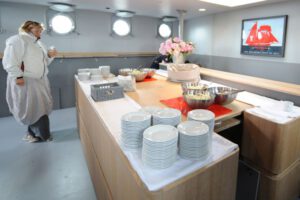
A diversity of meals are prepared in the professional galley. It may be that three chefs are preparing a luxury on-deck reception or a seven-course dinner. Or it could be just our chef cooking up a delicious meal to keep a group of sailors on their legs in rough weather.
While on board you can join in on the sea watch system. We highly recommend it as getting involved with the 24-hour rhythm of the ship is a fantastic experience. During the day, there are always times when everyone is awake and you can do activities unrelated to sailing. Sometimes, it’s fun to help with small maintenance tasks. At other times you could follow a practical workshop such as in astronavigation, photography, cooking, or leadership skills. And sometimes it could be that you or another guest just want to share something with the group.
There are different watch systems each with a number of different variations:
– 6 hours on and 6 hours off
– 7 hours on, 5 hours off, 5 hours on, 7 hours off
A watch system for 3 people is usually 4 hours on, 8 hours off
As soon as the Wylde Swan is a few sea miles off the coast, a sense of peace descends on the ship: there’s no reception anymore. Can you imagine it? A day without your mobile phone? It’s only natural when you’re on board the Wylde Swan. There is no contact with the outside world.
Of course, there are other ways for the Wylde Swan to be in 24/7 contact with the outside world. In case of emergency, we can always be reached and can always reach others.
During the voyage, the captain speaks at least once a day about what the current situation is, where the ship is sailing and what the plans are. These are always good moments.
And there’s always, 24/7, someone you can immediately talk to, ask your questions to or discuss things with.
The Wylde Swan has the following means of communication:
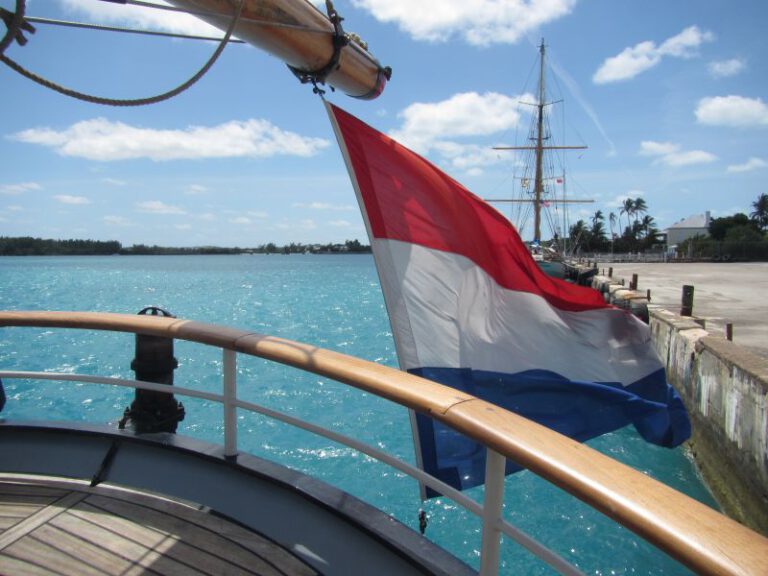
The Wylde Swan sails under the Dutch flag and meets all requirements set worldwide, European-wide and nationally. Our crew’s certificates are also always up-to-date and we carry out exercises on board to practice for different situations and to maintain a high understanding of safety.